The Odyssey Movie Changes From Book: Every Character and Myth Explained
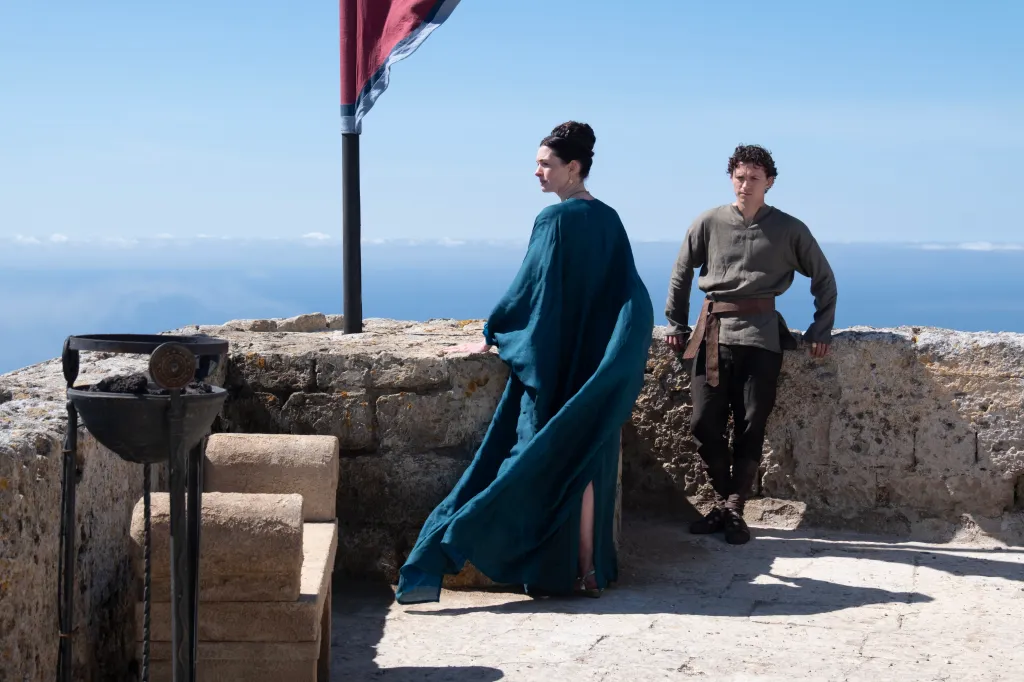
If you just watched Christopher Nolan’s new cinematic masterpiece, you already know it is completely different from what you read in school. In this guide, The Odyssey Movie Changes From Book will explore how the famous director transformed an ancient Greek poem into a dark, realistic historical drama. Nolan is known for stripping away fantasy elements to focus on real human emotions, and he does exactly that with this adaptation. To understand how this ties into the finale, check out our breakdown on The Odyssey Movie Christopher Nolan Ending Explained.
Whether you are a fan of the original text or just enjoy movies, understanding these narrative shifts is important. Let’s look at every major alteration, from character motivations to the real meanings behind the terrifying sea monsters.
Book vs. Movie: Structural Differences at a Glance
Before we break down each change, here’s a quick side-by-side comparison of the core shifts Nolan made:
| Story Element | Homer’s Original Book | Nolan’s 2026 Film |
| The Gods | Real physical immortals | Natural, psychological hazards |
| The Monsters | Magical fantasy beasts | Grounded, brutal dangers |
| Zendaya’s Athena | Actual protective deity | Internal guilt hallucination |
| The Climax | Triumphant family reunion | Tragic isolation and exile |
| The Main Theme | Heroic survival myth | Gritty post-war PTSD |
The Psychological Shift: From Greek Mythology to Human Trauma
The biggest difference between Homer’s ancient poem and the odyssey movie changes from book lies in how each one handles the Greek gods. In the original text, characters like Zeus and Poseidon are physical beings. They walk among humans, speak directly to kings, and hurl literal lightning bolts to change the physical world.
Nolan takes a much more realistic approach. The gods never appear on screen. Instead, they show up as unpredictable weather, brutal ocean hazards, or deep internal struggles. When a massive storm destroys Odysseus’s ships, the film leaves it up to you to decide if it’s the literal anger of Poseidon or just dangerous luck at sea.
This shift changes the entire tone of the story. In the book, Odysseus is a pawn caught in a game played by immortal gods. In the movie, he’s a deeply traumatized man fighting nature and his own collapsing mind. This realistic change resonates with audiences in the USA and UK, who are praising the shift away from a childhood fairy tale toward a heavy historical epic.
Athena and Sinon: Massive Character Alterations
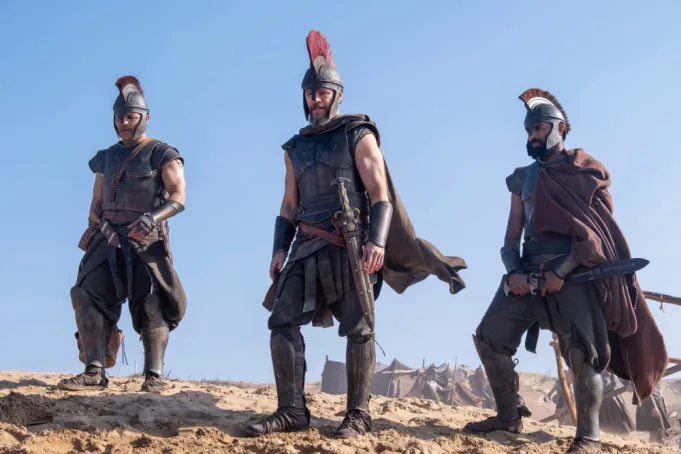
- Athena, played by Zendaya, gets the most dramatic change of any character. In the book, she’s a literal goddess guiding Odysseus at every turn. In the film, she becomes a hallucination, born from Odysseus’s guilt over a young priestess his men killed during the fall of Troy.
- Sinon, played by Elliot Page, sees an equally significant expansion. In Homer’s poem, he’s barely a footnote, a minor trickster who convinces the Trojans to bring the wooden horse inside their walls. Nolan turns him into a central character who acts as Odysseus’s moral conscience, constantly forcing the king to face the civilian body count and the war crimes committed during the sack of Troy.
Sinon’s arguments with Odysseus help explain why the king’s mind is so broken by the time he reaches home, a thread that pays off once you see how his story concludes.
The Monsters Reimagined: Scylla, Charybdis, and the Cyclops
Fans are searching heavily for the Christopher Nolan The Odyssey Horror Sequence, and it’s easy to see why. Nolan removes the magical elements from every monster to turn them into grounded survival nightmares.
Polyphemus, the Cyclops, remains a real, physical creature in the film, brought to life through practical animatronics instead of CGI. Nolan removes the playful trickery from the book, like Odysseus calling himself “Nobody,” but the Cyclops himself is still a monstrous, one-eyed giant, not a human soldier.
Scylla and Charybdis get the same realistic treatment. There are no multi-headed serpents reaching down from cliffs. Instead, Nolan presents a narrow, terrifying ocean strait lined with jagged rocks on one side and a massive whirlpool on the other.
The horror arises from cold, tactical sacrifice rather than magic. Odysseus secretly steers his ship toward the rocks of Scylla instead of the whirlpool, knowing it will cost six of his men their lives. He hides this decision from his crew, and when they discover it, it creates real rage and paranoia among them. The monsters serve as symbols for the impossible choices commanders must make in war.
The brutal deaths of the suitors later in the film also carry more weight when you consider the ancient Greek code of hospitality, known as Xenia, which the original poem is based on. Breaking that code was a serious offense, and it helps explain why the final palace confrontation feels less like revenge and more like consequence.
Emily Wilson’s Critique on The Odyssey Movie Changes From Book
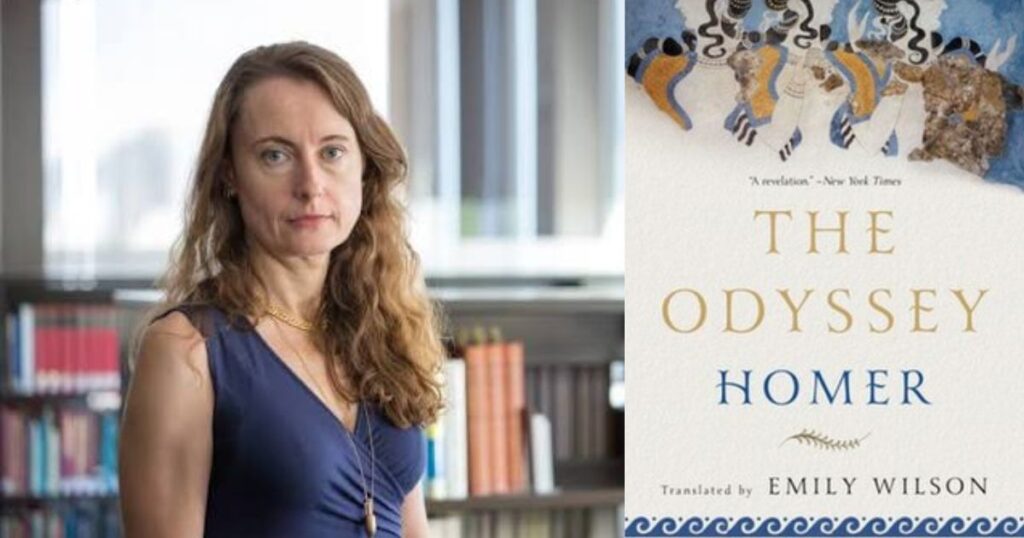
The global debate surrounding The Odyssey Movie Changes From Book took a major turn when world-renowned translator Emily Wilson published a scathing critique. While Christopher Nolan stripped away the mythological elements to create a grounded historical drama, Wilson publicly stated she “would be ashamed to have written any part of this script”. Her analysis directly addresses the ultimate controversy of The Odyssey movie changes from book, arguing that removing the goddess Athena turns a powerful deity into a weak psychological projection of Odysseus’ conscience. Wilson believes Nolan sacrificed the ethical weight of Homer’s epic poem to deliver a superficial Hollywood spectacle.
Frequently Asked Questions
What is the biggest difference between the book and Nolan’s Odyssey movie?
The biggest change is the removal of literal magic and physical Greek gods, turning the story into a grounded psychological study of war trauma and survival.
Is the Cyclops a real monster in the 2026 film?
Yes. Polyphemus is still a physical, one-eyed creature, created with practical animatronics rather than being rewritten as a human soldier.
How does the movie alter the character of Sinon?
Sinon goes from a minor trickster in mythology to a major character who forces Odysseus to confront the human cost of the Trojan War.
What did translator Emily Wilson say about Christopher Nolan’s script?
Emily Wilson openly criticized the film’s writing, stating she would be ashamed to have written any part of this script. She believes that Nolan simplified complex female characters like Penelope and completely ruined the meaning of the story by removing the active presence of the goddess Athena.
Conclusion
In the end, analyzing The Odyssey movie changes from book shows how far Christopher Nolan transformed this centuries-old poem into a realistic study of human trauma. Whether you love this grounded cinematic approach or side with translator Emily Wilson’s critique regarding the script’s changes, Nolan has created an unforgettable experience that will keep movie fans and literature students talking for years.
For more details and showtimes, you can visit the official Odyssey movie.

I am a Professional movie blogger and SEO writer at StartlightNovels.com, dedicated to creating in-depth movie reviews, breakdowns, and entertainment content with clear and user-friendly explanations.