Robert Downey Jr. Will Return in Avengers Doomsday Meme Trend and Origins Explained
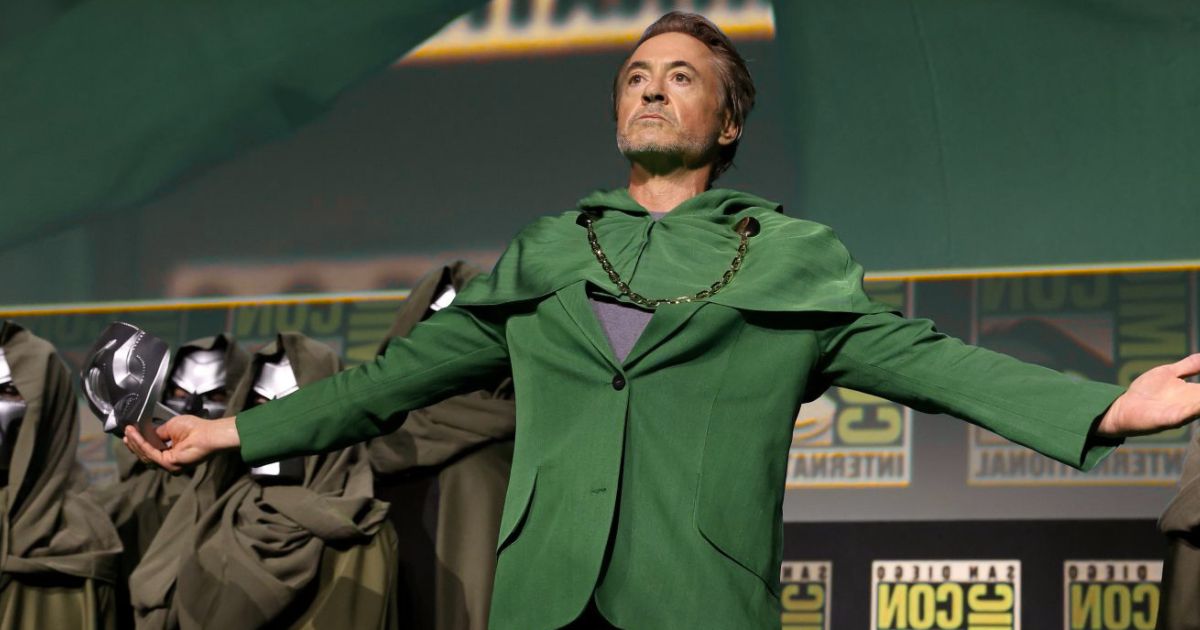
The internet experienced an absolute meltdown following San Diego Comic-Con when Marvel Studios officially announced the monumental return of the actor who built the franchise. Many fans tracking the official Avengers Doomsday Trailer Breakdown were left completely stunned, as the studio revealed that instead of reprising his heroic role as Iron Man, Robert Downey Jr. Will Return in Avengers Doomsday to portray the ultimate multiversal villain, Victor von Doom (Doctor Doom). Within seconds of the live stage reveal, social media platforms were flooded with thousands of viral images and reaction concepts. This specific digital phenomenon has rapidly evolved from a standard piece of casting news into the most significant pop-culture joke format of the year.
| Meme Profile Attribute | Official Narrative Details and Hidden Visual Connections |
| Core Viral Phrase | Robert Downey Jr. Will Return in Avengers Doomsday |
| Origin Source | Subversion of the Classic White-Text Marvel Post-Credit Screen |
| Primary Irony Angle | The Face of Earth’s Greatest Savior Becoming Its Ultimate Oppressor |
| Character Portrayed | Victor von Doom (Doctor Doom – Alternate Universe Incarnation) |
| Connected Prelude | The Fractured Multiverse Timelines Established in Avengers: Endgame |
The Origin of the Famous Post-Credit Screen Format
To understand why this specific format took over the internet so quickly, one must understand the traditional cinematic structure utilized by Marvel Studios for over a decade. Since the launch of the original phase in 2008, the studio has ended almost every single theatrical release with a clean, stylized black screen featuring bold white text stating a definitive promise, such as “Iron Man Will Return” or “Captain America Will Return.” For over fifteen years, this specific textual screen served as a highly anticipated promise of heroic safety and narrative continuity for global audiences.
However, the instant the live stage presentation confirmed the casting shift, internet creators subverted this classic trope to express their shock and humor. The traditional, comforting post-credits text was immediately flipped on its head by fan communities. Instead of promising the return of a hero, creators began generating mock post-credit screens featuring the specific phrase stating that Robert Downey Jr. will return in Avengers Doomsday, using it as a punchline to signify absolute chaos, unexpected plot twists, or structural shifts in everyday situations. This subversion of a corporate tradition is exactly what gave the format its initial, massive viral momentum.
Why Social Media Exploded Over the Doctor Doom Casting Shift
The underlying driving force behind the virality of this format relies heavily on the profound narrative irony felt by the global fanbase. For an entire generation of cinema-goers, the actor’s face was directly synonymous with supreme altruism and ultimate sacrifice following the emotional climax of Avengers: Endgame (2019). The narrative decision to place the exact same face behind the cold, metallic mask of Victor von Doom created an immediate psychological shockwave throughout the entertainment community.
Creators rapidly picked up on this intense irony, generating conceptual jokes contrasting Tony Stark’s heroic legacy with Doctor Doom’s absolute villainy. The humor primarily derives from the sheer absurdity of the situation: the very hero who died to save the universe is now physically returning from an alternate reality to completely conquer and destroy it. This massive contrast has allowed the format to transcend traditional comic book circles, entering the mainstream digital lexicon as the default visual reaction used to describe someone returning to a situation in the worst possible way.
Analyzing the Most Viral Iterations of the Doomsday Text Trend
As the format spread across digital communities and viral communication channels, creators began developing highly specific sub-genres of the joke. Understanding these variations reveals how versatile the format has become:
- The Production Budget Irony: A massive portion of the viral images focus on the massive financial contracts involved in bringing the Academy Award-winning actor back to the studio, joking that the real motivation behind Doctor Doom’s arrival is purely economic.
- The Multiversal Confusion Angle: These iterations focus on how the remaining in-universe characters, such as Spider-Man or Thor, will physically and emotionally react when they realize the ultimate cosmic dictator looks exactly like their fallen mentor.
- The Everyday Life Subversion: Creators have successfully transitioned the format into everyday relatable humor, featuring the iconic white text overlay applied to mundane scenarios, such as a difficult college professor returning for a mandatory next semester.
The Strategic Value of Tracking Viral Pop Culture Trends
From a strict digital publishing perspective, documenting these massive cultural movements provides an incredible opportunity to engage with active online audiences. While traditional media channels heavily focus on rigid corporate press releases, capturing the organic user response allows a platform to connect directly with the real-time conversations shaping the entertainment space.
By analyzing the creative ways audiences interact with major announcements, a dedicated platform can archive the evolving history of modern fandom. This deep analysis bypasses standard surface-level reporting, offering readers a thorough look into how digital communities collectively process massive shifts in cinematic universes. This specific style of documentation ensures the content remains highly valuable to readers tracking the intersection of cinema and internet culture.
Frequently Asked Questions (FAQs)
Where did the “Will Return in Avengers Doomsday” meme format come from?
The format directly subverts the traditional white-text post-credit screens used at the end of Marvel films. Creators modified the classic “Will Return” text to highlight the shocking casting news of the new villain.
Is Robert Downey Jr. playing Tony Stark or Doctor Doom?
He is officially portraying Victor von Doom (Doctor Doom), a completely separate and distinct character from Tony Stark, originating from an alternate dimension within the multiverse.
Why did this casting announcement spark so many jokes online?
The jokes are driven by the intense narrative irony of having the actor who played Earth’s greatest hero return to play its most ruthless comic book villain.
Will this digital trend affect the actual plot of the movie?
While the jokes are user-generated, the massive social media reception directly influences how the studio shapes its upcoming promotional campaigns leading up to the release.
Conclusion
The unprecedented social media response following the casting announcement proves that modern cinematic success is deeply intertwined with viral internet culture. By transforming a corporate post-credits tradition into a flexible, highly relatable joke format, global fan communities have kept the upcoming blockbuster at the absolute forefront of digital conversations. Documenting these specific movements provides a reliable pathway to elevate search visibility. As the entertainment landscape moves closer toward the official cinematic launch, this viral phenomenon will undoubtedly continue to evolve, permanently cementing its place as a historic milestone in modern pop-culture history as documented on the official The Hollywood Reporter

I am a Professional movie blogger and SEO writer at StartlightNovels.com, dedicated to creating in-depth movie reviews, breakdowns, and entertainment content with clear and user-friendly explanations.